

Buying Guides · 4 min read
Buying a landlocked lot in Florida: three ways to make it work
A lot with no road and no legal way in sells cheap for a reason. What landlocked means, three ways buyers make one work, and what to check with an attorney before you close.

By Lilian Yedid
On this page
Key takeaways
- A landlocked lot has no road frontage and no recorded easement, so there is no legal way to reach it even though you own it.
- That is why these lots sell for less: without legal access, permits, loans and resale all get harder.
- Three ways to make one work: sell it to the neighbor, buy a written easement and record it, or buy the lot next door with road access.
- Florida law covers ways of necessity in some cases, but never buy counting on one. Talk to a real estate attorney before you close.
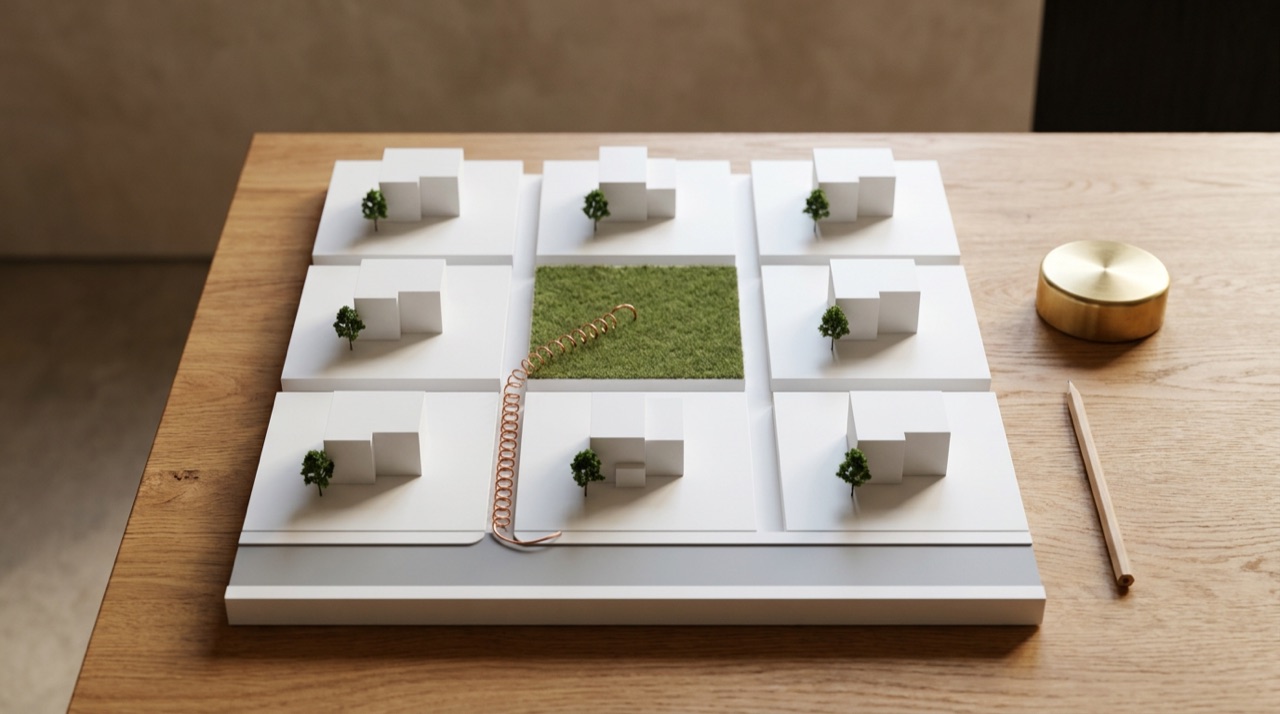
Never buy a lot like this one without a plan. It's landlocked: there is no road in front of it and no legal way to reach it. You would own it, and you would have no legal right to get to it. That is exactly why these lots sell for less, and why a few buyers see them as an opportunity.
What does landlocked mean?
A lot is landlocked when it has no frontage on a public road and no recorded easement across the land around it. You can hold the title, pay the taxes and walk the property, but every path to it crosses someone else's land.
Without legal access, it can be harder to get a building permit, a loan or title insurance that covers access, and it is harder to sell. So a landlocked lot is not a lot with a problem. It is a lot whose value depends on solving one.
Why do landlocked lots sell for less?
Because the buyer is pricing in the work and the risk of getting access, and many buyers simply walk away. The same piece of land with a recorded way in is a different product.
That gap is where the three plays below come from. All three are about turning the same land into a lot with access, or selling it to the one buyer who doesn't need any.
Play one: who should you sell it to?
The neighbor. Their yard already touches your lot, so it is worth more to them than to anyone else: more garden, more privacy, room for a pool or a guest house, a larger lot if they ever sell.
Before you make your offer on the landlocked lot, find out what the neighbors would pay for it. If the numbers work, you already know your exit.
Play two: how do you buy access instead of land?
You don't need the neighbor's whole lot, only a strip of it. You can pay for an easement: a written right to cross that strip to reach your land. Have a real estate attorney draft it, get it signed by the owner and record it with the county. In Miami-Dade, recorded documents live in the Clerk of the Court's Official Records.
Now there is a legal way in, and it is in the public records for whoever owns either lot next. Florida law also covers ways of necessity in some cases (Chapter 704 of the Florida Statutes), but the conditions are specific and it can end in court. Don't buy counting on it.
Play three: what does it mean to wait like a developer?
Buy the landlocked lot at its price, and wait for the lot next door, the one with road access, to come up for sale. Then buy that one too. Together they are one larger property with frontage, which is usually worth more than the two pieces apart.
This play needs patience and capital, and there is no guarantee the neighbor will ever sell or at what price. I come from a family of developers, and this is the kind of math I have seen done carefully, never as a sure thing.
What should you check before you close?
Whichever play you choose, this is the list I go through with my clients:
- A boundary survey that shows where the lot touches, or doesn't touch, a public road.
- The plat and the parcel record on the Miami-Dade Property Appraiser site.
- A title commitment that lists every recorded easement, in favor of the lot and against it.
- Zoning and permits with the city: what can actually be built there, and what access the building department will ask for.
- A real estate attorney who reviews all of the above before you sign.
I'm not an attorney, and nothing here is legal advice. My job is to read the land with you and make sure the right professionals look at it before you commit. If you are thinking about land in Coconut Grove, Coral Gables or South Miami, also read why Miami homes grow up, not down and, for later, how I rank kitchen countertops.
I explained the three plays in a short video on my Instagram. Which one would you make? Tell me.
Questions about landlocked lots
Is it legal to buy a landlocked lot in Florida?
Yes. Owning the land is not the problem. The problem is reaching it: without a road or a recorded easement, you have no legal right to cross the land around it. Before you make an offer, ask a real estate attorney to review the survey and the title work, and read the section on what to check before you close.
What is an easement?
An easement is a written right to use part of someone else's land for a specific purpose, for example a strip to drive or walk to your lot. To protect it, it should be drafted by an attorney, signed by the owner of the land it crosses and recorded with the county, which in Miami-Dade is the Clerk of the Court's Official Records. Once recorded, it shows up in the public records for anyone who buys either property later.
Does Florida law give a landlocked lot a right of way automatically?
Not automatically. Chapter 704 of the Florida Statutes covers ways of necessity in certain situations, but whether one applies depends on the history of the parcels, how the land is used and other conditions, and it can take an attorney and sometimes a court. I treat it as a question for a lawyer, never as a plan for a purchase.
Can I finance a landlocked lot?
It is harder. Land loans are already more limited than home loans, and lenders and title insurers look closely at legal access. Ask your lender about this specific lot before you make an offer, and assume you may need to pay cash if access is not solved.
How do I know if a lot is landlocked?
Look at the survey and the plat to see whether the lot touches a public road, check the parcel on the Miami-Dade Property Appraiser site, and ask for a title commitment that lists recorded easements. A dirt path that people use is not the same as a legal right to use it. If you are reading the land for a future home, also read why Miami homes grow up, not down.
- landlocked lot
- easement
- buying land in Florida
- due diligence
General information only, not legal, tax, engineering or inspection advice. Rules change and every property is different: confirm the details with a licensed attorney, inspector or engineer before you decide. Lilian Yedid, Realtor with ONE Sotheby's International Realty.
Keep reading
All notes →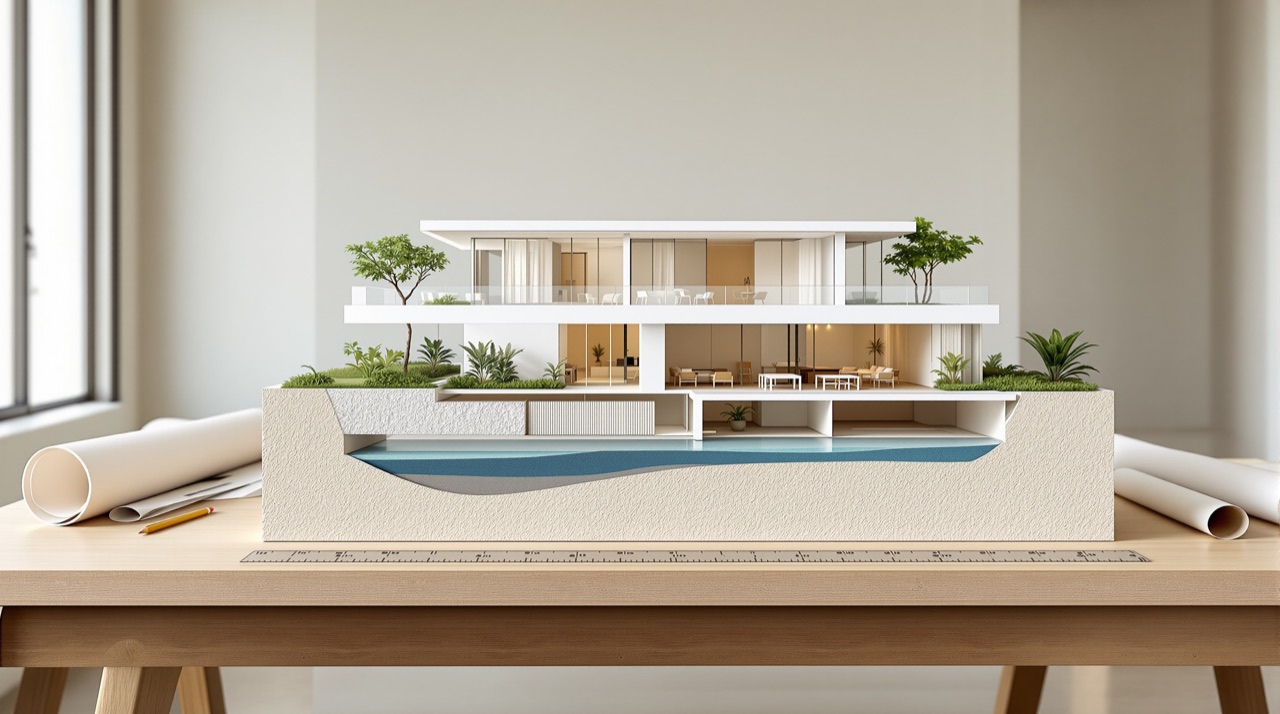
Architecture & Design
Why Miami homes don't have basements (and London's do)
In London, people dig under the garden. In Miami, the aquifer sits right under the lawn, so a well-designed house grows up instead. Here is what that changes when you read a home.
· 4 min read
Architecture & Design
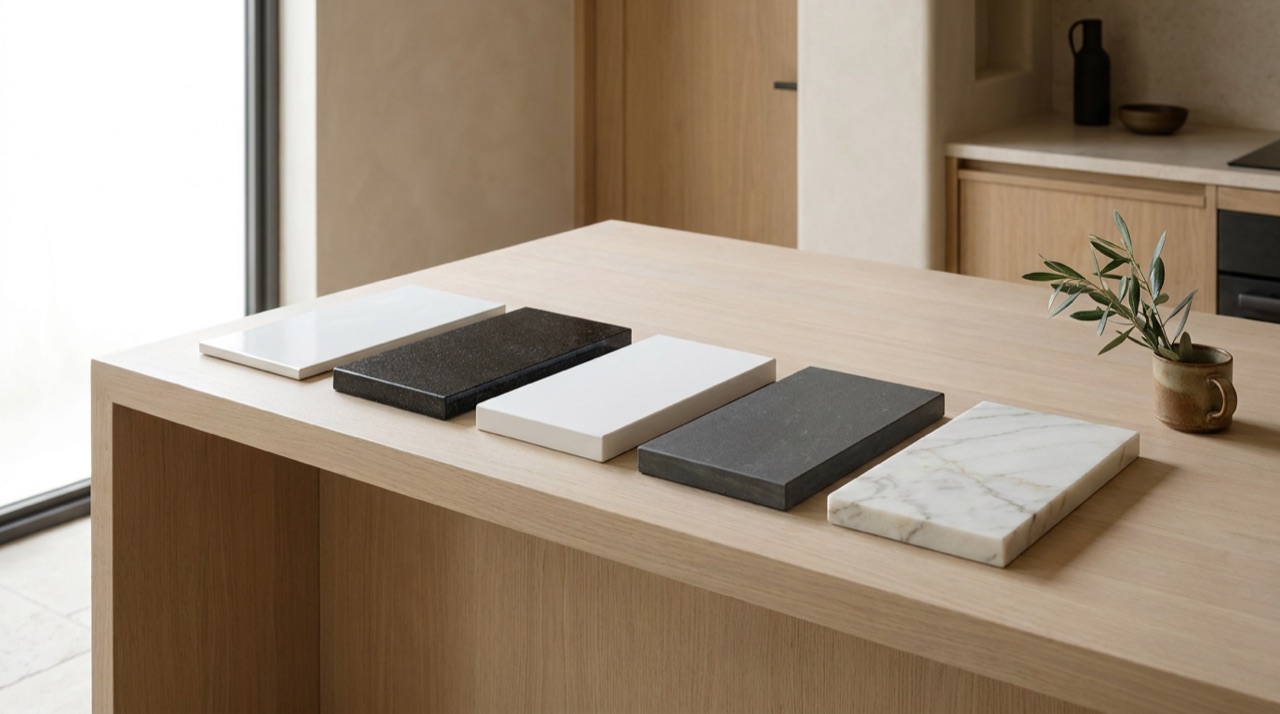
Kitchen countertops ranked: quartzite, quartz, granite and more
Five countertop materials I see in Miami kitchens, from the one I'd skip to my favorite: how porcelain, granite, quartz, sintered stone and quartzite handle heat, knives and spills.
· 4 min read